Kibble with microbial proteins appeals to cats and dogs in new study
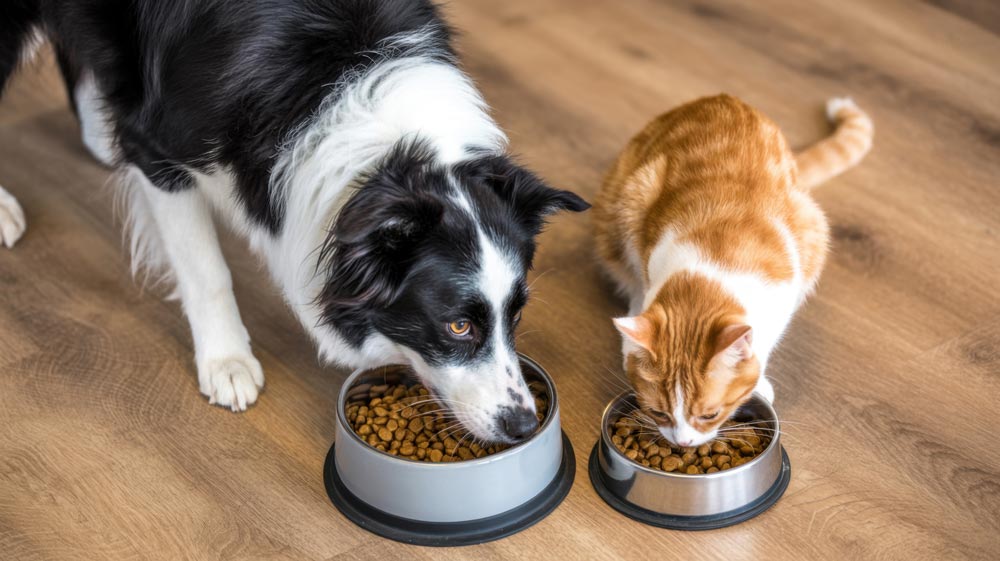
In a new study, cats and dogs showed a short-term preference for kibble containing some protein derived from microorganisms over kibble containing only standard, animal-derived protein. Ally Motta de Matos and A.L.B. Cruz of MicroHarvest—a European company that produces protein ingredients through fermentation, with pet food as its first market—present these findings in the open access journal PLOS One on September 23, 2026.
Just like humans, pets need a balanced intake of amino acids to stay healthy. Traditionally, animals such as fish and poultry have been the primary protein source in pet food, but concerns about the long-term availability and environmental impact of animal proteins are driving interest in alternatives, such as proteins produced by fungi, yeast, and bacteria in manufacturing processes.
Prior studies have suggested that pet foods containing microbial proteins can be nutritious and produced in environmentally sustainable ways. However, the viability of such products also depends on pets wanting to eat them. To investigate the palatability of kibble containing microbial proteins, Motta de Matos and Cruz pitted it against standard, animal protein-only kibble.
The researchers asked pet owners to give their cats or dogs two bowls of food simultaneously for four consecutive meals over two days. One bowl contained standard animal-protein kibble and the other kibble that was nearly identical except that some of the animal protein had been replaced with microbial protein. The study involved 30 dogs and 30 cats, with all meals served in their homes.
Statistical analysis showed that both cats and dogs consumed a higher proportion of the kibble with microbial protein than the standard kibble. Overall, dogs ate about 72 percent of the microbial-protein kibble compared to 50 percent of the standard kibble, and cats ate 51 percent of the microbial-protein kibble versus 34 percent of the standard kibble. Both cats and dogs were more likely to approach and eat the microbial-protein kibble first.
These findings suggest that, in the short term, the cats and dogs in this study preferred the kibble with microbial protein. More research will be needed to explore the long-term palatability and health outcomes of microbial proteins in pet foods.
The authors add: “What we found particularly interesting was that both dogs and cats preferred the diet containing microbial protein in this short-term study, even though microbial protein replaced fish meal and part of the poultry meal in the formulation. These findings provide an encouraging starting point for understanding how microbial proteins may perform not only as a nutritional ingredient, but also from the animal’s perspective.”
“Acceptance by the animal is an essential consideration when evaluating new ingredients for pet food. Demonstrating nutritional quality is important, but ultimately the food also needs to be something dogs and cats choose to eat.”
Please acces the freely available article here in PLOS One : https://plos.io/4dxRofw
Citation: Motta de Matos A, Cruz A (2026) Microbial Protein as a novel ingredient in pet food: A food preference study in dogs and cats. PLoS One 21(9): e0356767. https://doi.org/10.1371/journal.pone.0356767
Author countries: Portugal.