Krka completes Robexera range with first generic feline robenacoxib chewable
Krka UK has launched Robexera 6 mg Chewable Tablets for Cats, the first generic robenacoxib chewable for cats in the UK. Alongside its injectable launched earlier this year, the product gives practices a bioequivalent alternative to the originator across the perioperative and chronic pain pathway.
A new option in feline analgesia
Krka UK announced the launch of Robexera Chewable Tablets for Cats on 18 September 2026. The 6 mg tablet is licensed for the treatment of pain and inflammation associated with acute or chronic musculoskeletal disorders in cats, and for the reduction of moderate pain and inflammation associated with orthopaedic surgery.
The launch follows Robexera 20 mg/ml solution for injection, introduced earlier in 2026 as the first generic robenacoxib injectable in the UK. Indicated in cats and dogs for pain and inflammation associated with orthopaedic or soft tissue surgery, the injectable gave practices a perioperative option. The chewable now extends the range into home-based management, and Krka describes it as completing the Robexera portfolio.
Renzo Di Florio, Technical Veterinary Adviser at Krka, noted that signs of pain in cats are “often subtle, particularly with chronic musculoskeletal disease”, and that early identification matters.
How robenacoxib works
Robenacoxib is an NSAID of the coxib class and a potent, selective inhibitor of COX-2. COX-1 performs protective functions in the gastrointestinal tract and kidneys, whereas COX-2 is the inducible form responsible for mediators such as PGE2 that drive pain, inflammation and fever. In the feline in vitro whole blood assay, robenacoxib showed approximately 500-fold higher selectivity for COX-2 than for COX-1, and at 1–2 mg/kg the tablets markedly inhibited COX-2 with no effect on COX-1 activity.
After oral dosing, peak blood concentrations are reached in around 30 minutes. The drug is more than 99% protein bound, has a small volume of distribution and is cleared rapidly, with a terminal blood half-life of 1.7 hours, yet it persists longer and at higher concentrations at sites of inflammation than in blood. Excretion is predominantly biliary (around 70%) rather than renal, a point of interest in a species prone to kidney disease.
Indications and dosing
The recommended dose is 1 mg/kg (range 1–2.4 mg/kg) once daily at the same time each day. Cats weighing 2.5 kg to under 6 kg receive one tablet, and cats of 6–12 kg receive two. Tablets should not be split and can be given without food or with a small amount of food.
For acute musculoskeletal disorders, treatment runs for up to six days. In chronic cases, duration is decided on an individual basis; a clinical response is normally seen within three to six weeks, and treatment should be discontinued after six weeks if no improvement is apparent. For orthopaedic surgery, a single dose is given without food at least 30 minutes beforehand, with premedication only in combination with butorphanol analgesia. Once-daily dosing may continue for up to two further days after surgery.
Tablets and injection may be used interchangeably in cats in line with each formulation’s licensed indications, provided no more than one dose is given per day. The recommended doses for the two formulations differ.
Safety profile
Krka positions robenacoxib as having the best proven safety profile in cats of any NSAID. In overdose studies, healthy young cats given up to five times the maximum recommended dose for six months tolerated treatment well, and clinical field studies showed that most cats tolerated robenacoxib for up to 12 weeks.
The most common adverse events are mild, transient vomiting and diarrhoea. Elevated renal parameters and renal insufficiency are very rare, and are seen more commonly in older cats and with concurrent use of anaesthetic or sedative agents. The product is contraindicated in cats with gastrointestinal ulceration, in pregnant or lactating animals, and alongside corticosteroids or other NSAIDs, with a treatment-free interval of at least 24 hours advised after previous anti-inflammatories. Cats with cardiac, renal or hepatic impairment, or that are dehydrated, hypovolaemic or hypotensive, need careful monitoring. Safety has not been established in cats under four months of age or below 2.5 kg.
Designed for home administration
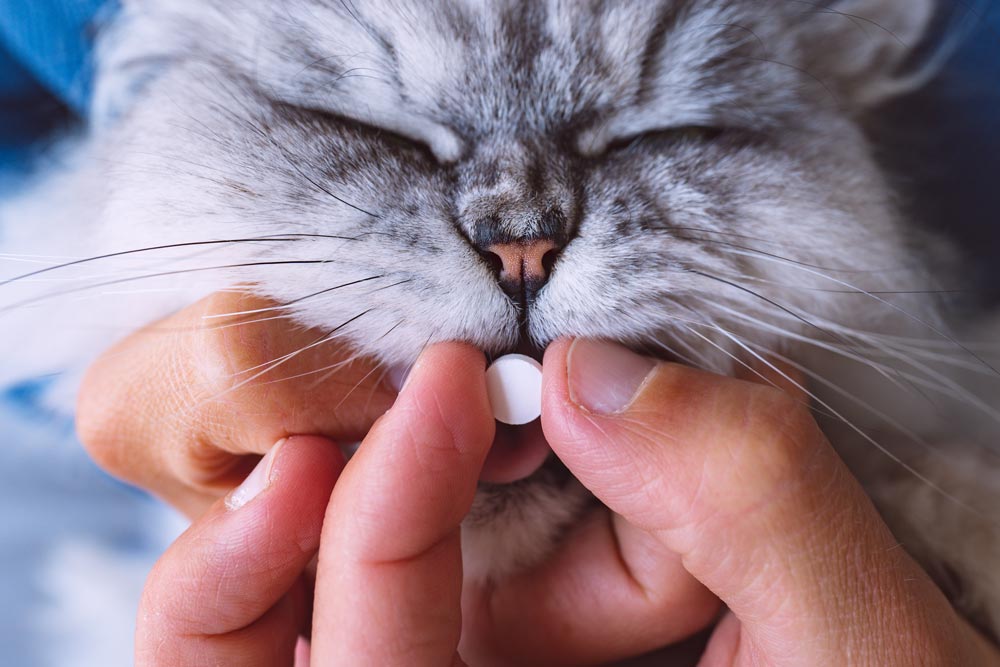
Owner compliance is a recurring challenge in managing chronic pain in cats. The Robexera tablet measures 6 mm in diameter, smaller than many commonly fed kibbles, and is meat and yeast flavoured to make administration at home easier. It is supplied in packs of 30. Krka has also launched a resource hub for practice teams.