Guinea pig awareness week: what the data tells vets about their health
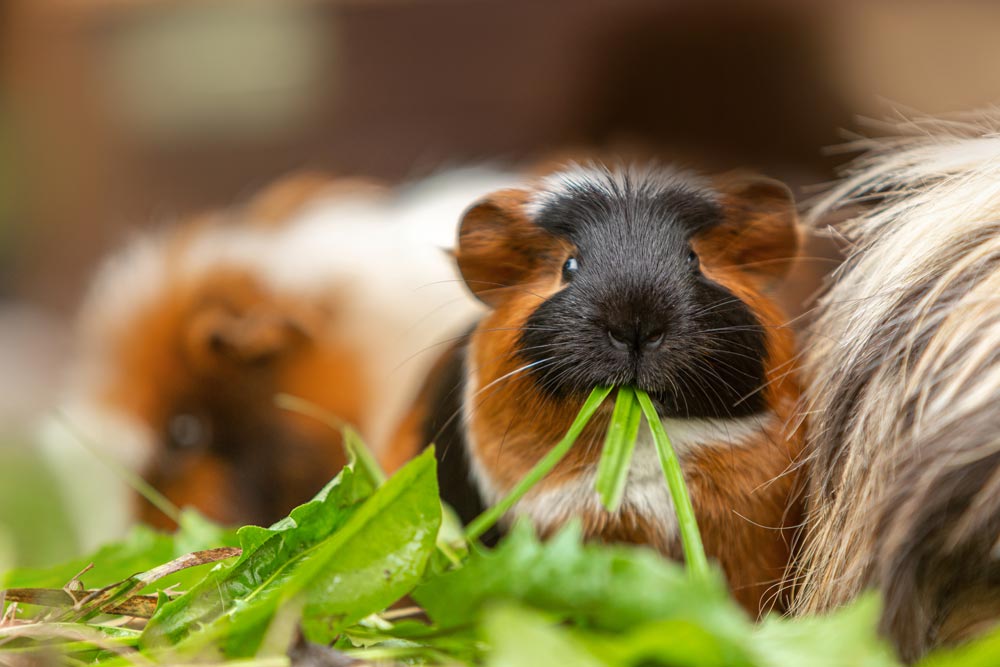
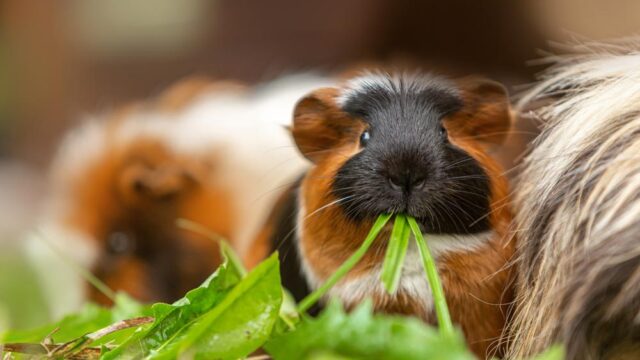
An estimated 700,000 guinea pigs live in UK homes, yet many are only seen by a vet once something has gone wrong. As Guinea Pig Awareness Week (GPAW) runs from 26 to 30 October, here is what the latest figures say about the species’ health and the part practices can play.
Now in its sixth year, GPAW is led by Burgess Excel and endorsed by the British Veterinary Association (BVA) and the British Small Animal Veterinary Association (BSAVA). Its charity partners are Blue Cross, the RSPCA, Wood Green and Raystede Centre for Animal Welfare.
This year’s theme, “Happy, Healthy Guinea Pigs”, focuses on proactive healthcare and the five welfare needs: diet, environment, companionship, behaviour and health.
How many guinea pigs are there?
Guinea pigs are not registered or microchipped in the UK, so there is no official count. The best estimate comes from UK Pet Food’s annual pet population survey, which questions almost 9,000 households.
Its 2026 figures put the UK population at about 700,000 guinea pigs, kept in 1.2% of households. That makes them the seventh most popular pet in the UK.
The population appears to be falling. Earlier surveys estimated 900,000 guinea pigs in 2022 and 1 million in 2023. Because guinea pigs should live in pairs or groups, the number of animals is always well above the share of households that keep them.
More guinea pigs coming into rescue
While the overall population appears to be shrinking, more guinea pigs are being given up. The RSPCA took 419 guinea pigs into its national centres in England and Wales in 2025, an increase of 181 on the previous year.
The true number is higher. RSPCA branches, which are separately registered charities, take in many more guinea pigs that are not included in that total.
The charity links the rise to over-breeding, the cost of living and a lack of owner knowledge about the species’ needs.
Gaps in routine health monitoring
New findings from the Burgess Excel Small Animal Census, released ahead of GPAW, suggest many owners wait for a problem before seeking veterinary help. According to Burgess:
- 64% of owners only take their guinea pigs to the vet when they think there is a health problem, rather than for routine checks or earlier advice.
- Nearly one in seven are not confident they could tell when their guinea pig is stressed or in pain.
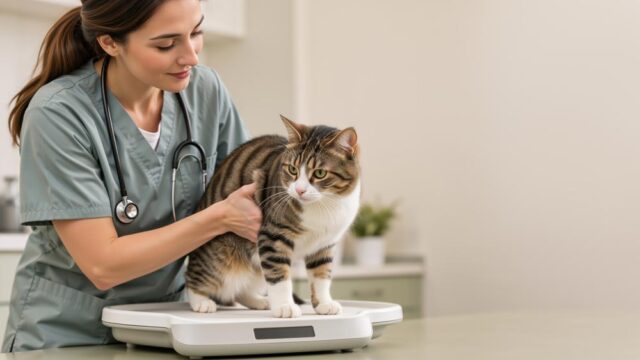
- One in three do not regularly check their guinea pig’s weight or body condition, and 4% never do.
Suzanne Moyes, deputy managing director and in-house vet at Burgess Pet Care, said the findings show why this year’s campaign is focused on proactive health checks and preventative care.
What vets are diagnosing
The largest UK study of guinea pigs in first-opinion practice was carried out by the Royal Veterinary College’s VetCompass programme and published in PLOS ONE in 2024. Researchers reviewed anonymised clinical records for a random sample of 3,785 of the 51,622 guinea pigs under primary veterinary care in 2019.
The three most common disorders were: Overgrown nails (26.55%), Dermatophytosis (6.02%) and Corneal ulceration (4.99%).
Other common problems included anorexia and abscesses. The authors noted that many of the most common disorders were related to husbandry, such as exercise, diet and bedding.
Differences between males and females
The study found clear differences between the sexes. Average life expectancy was 4.03 years, and females (4.58 years) outlived males (3.74 years).
Males were more likely than females to be diagnosed with anorexia, bite injuries, overgrown incisors, dental disease and wounds. Females were more likely to have corneal ulceration, ocular or conjunctival foreign bodies and abdominal masses.
What this means for practice
Taken together, the figures describe a population that is often brought in late, with many common conditions linked to how guinea pigs are kept. Unlike dogs, cats and rabbits, guinea pigs do not need routine vaccinations, which removes a natural prompt for a yearly visit.
The VetCompass authors recommend routine health checks, both to detect disease early and to give owners advice on husbandry and diet.
Practices can download a free GPAW vet resource pack from the Guinea Pig Alliance website. Owners are also being encouraged to take part in the Big Pig Health Check on Friday 30 October, with details on the Guinea Pig Alliance health check page.