Shamonda virus confirmed in British cattle for the first time
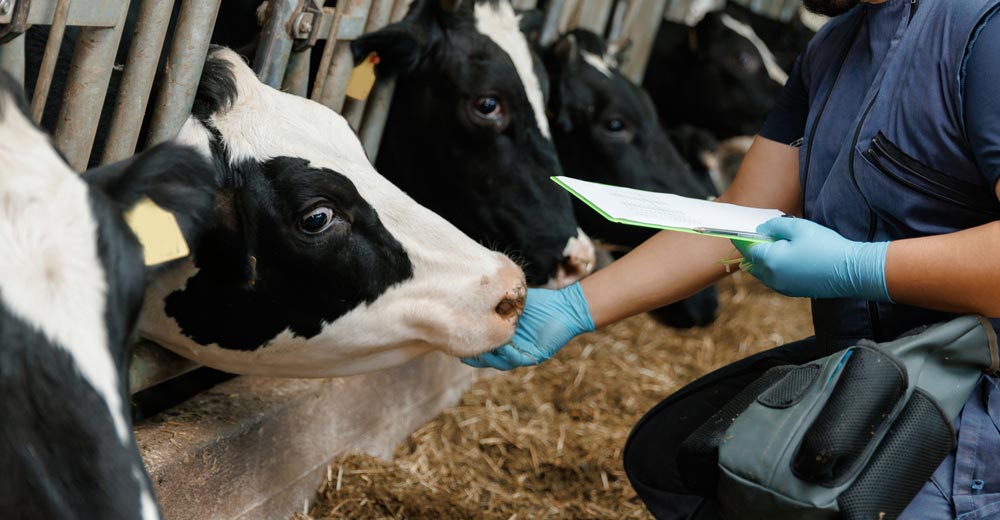
Vets are being asked to familiarise themselves with the clinical signs of Shamonda virus (SHAV) after the emerging midge-borne infection was found in cattle in Great Britain for the first time.
The Animal and Plant Health Agency (APHA) said the virus was found in October in cattle on two dairy farms, one in Powys, Wales, and one in Shropshire, England. Samples from both farms were tested at APHA’s Weybridge laboratories.
The detections follow the virus’s spread across Europe during 2026. Cases have been reported in France, Switzerland, Germany, the Netherlands, Belgium and Austria, and more recently in cattle in Jersey and the Republic of Ireland.
Not notifiable
SHAV is not a notifiable or reportable disease in the UK. APHA said there is currently no evidence that additional disease control measures are needed. Defra, the Welsh Government, the Scottish Government and APHA will continue to monitor the situation.
Livestock keepers have been advised to watch their animals for clinical signs, to contact their own vet if they have concerns, and to treat affected animals early according to the signs they show. Vets wanting to discuss diagnostic investigation can contact their local APHA Veterinary Investigation Centre or Surveillance Pathology Partner.
Clinical picture
SHAV belongs to the Simbu group of viruses and is closely related to Schmallenberg virus. It is thought to be spread mainly by Culicoides biting midges, the same vectors involved in Schmallenberg and bluetongue. In cattle, infection has been associated with fever, diarrhoea, lethargy, reduced milk yield and abortion.
Cattle are mainly affected, but the virus has also been identified in sheep, goats, alpacas and horses in Europe. APHA is investigating a possible link between SHAV infection and neurological disease in horses. There is currently no licensed vaccine and no specific treatment, so management relies on supportive care.
Public health
One human infection has been reported in France, in a severely immunosuppressed person. Officials consider the risk to the general population very low, and the Food Standards Agency has said there is no current evidence that the virus poses a food safety risk.
APHA has published a disease information note describing the clinical presentations of SHAV in cattle, sheep and goats.