Firework season 2026: helping clients prepare noise-sensitive animals

With Bonfire Night, Diwali and New Year approaching, and a government consultation on firework noise about to close, practices have a short window to identify at-risk patients and put prevention and treatment plans in place.
A predictable welfare problem
Firework fear is one of the most common behavioural problems seen in companion animal practice, and one of the most foreseeable. Dogs Trust estimates that almost half of UK dogs are affected by fireworks each year, while cats, rabbits, horses and livestock can all show marked fear responses. Because the season now stretches from late October through Bonfire Night, Diwali and into New Year, exposure is prolonged rather than confined to a single evening.
Untreated noise fear tends to worsen with repeated exposure, and affected animals can injure themselves, escape or develop generalised anxiety. Early intervention is therefore both a welfare priority and a practical opportunity for practices to deliver structured client support.
Policy backdrop: the noise consultation
On 16 July 2026 the UK Government launched a public consultation on fireworks and pyrotechnics, proposing that the loudest consumer fireworks be restricted to professional displays. The consultation closes at 11:59pm on 7 October 2026. It has been welcomed by organisations including the RSPCA, Dogs Trust and Redwings, and practices may wish to encourage interested clients to respond before the deadline.
Current rules in England and Wales prohibit firework use between 11pm and 7am, with later cut-offs on Bonfire Night, New Year’s Eve, Diwali and Chinese New Year, and limit consumer fireworks to 120 decibels. No change will apply in time for this season.
Identifying at-risk patients
Many affected animals are never presented for noise fear, so proactive screening is valuable. Booster appointments, nurse clinics and practice communications in early October can be used to ask owners about previous reactions. Signs to ask about include:
- Trembling, panting, pacing and hypervigilance
- Hiding, clinging to owners or attempting to escape
- Inappetence, house soiling or destructive behaviour
- In cats, hiding for prolonged periods or reduced toileting and grooming
- In rabbits and small mammals, freezing, thumping or frantic movement
Pain can lower the threshold for noise sensitivity, particularly in older dogs with musculoskeletal disease, so a clinical examination should form part of any assessment.
Environmental management
Practical advice for owners should be given well ahead of the first fireworks:
- Create a den or safe space now, so it is familiar and positively associated before it is needed.
- Walk dogs in daylight, keep cats indoors after dusk and provide litter trays.
- Close curtains, use background noise and avoid leaving animals alone on peak nights.
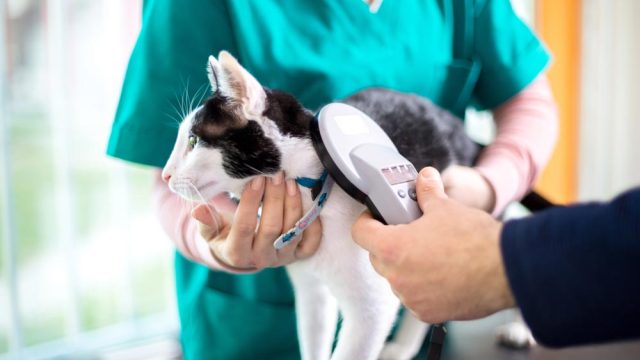
- Check microchip details are up to date and that doors, gates and fences are secure.
- Move outdoor rabbit and guinea pig hutches into a shed or garage or cover them and add extra bedding.
Owners can calmly comfort a frightened animal if it seeks reassurance and should never punish fearful behaviour. Synthetic pheromone diffusers and calming nutraceuticals may help some patients as part of a wider plan, though evidence is variable.
Pharmacological support
For moderate to severe cases, medication should be discussed early so that trial doses can be given before the season begins. Options include dexmedetomidine oromucosal gel, which is authorised in the UK for acute anxiety and fear associated with noise in dogs, alongside situational anxiolytics used under the prescribing cascade, such as gabapentin, trazodone, pregabalin or benzodiazepines. Acepromazine given alone is not recommended, as it sedates without reducing fear.
A test dose on a quiet day allows owners to assess efficacy and side effects. Animals with severe or generalised anxiety may need longer-term treatment and referral to a qualified clinical animal behaviourist.
Longer-term behaviour modification
Desensitisation and counter-conditioning with recorded firework sounds remain the mainstay of lasting improvement. This works best when started months in advance, so practices should set expectations: an affected patient seen in October will need management this year and a behaviour programme from the new year onwards.
Horses, livestock and wildlife
Horse owners should keep to normal routines, check fencing and stabling, and find out about local displays so they can plan. Livestock keepers near display sites may wish to contact organisers directly. Clients building bonfires should be reminded to check for hedgehogs and other wildlife before lighting, ideally by building on the day.